Discovery of a New Molecular Cause of a Neurodevelopmental Disorder from the Group of DNA Remodeling Defects.
DNA remodelling disorders are a rapidly expanding group of rare monogenic diseases. Common features of these conditions include de-novo heterozygous causative variants in key genes/proteins involved in DNA and histone modification pathways, as well as highly variable clinical phenotypes encompassing developmental and functional abnormalities affecting multiple organs, particularly the nervous and cranioskeletal systems.
Kleefstra syndrome is one of the DNA remodelling defects. Until now, this condition has been associated with variants in the EHMT1 gene (euchromatin histone methyltransferase 1), resulting in the deficit of the encoded GLP protein.
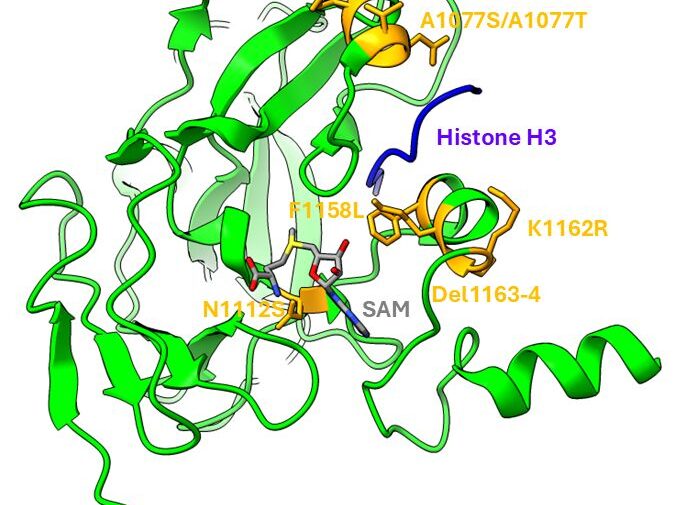
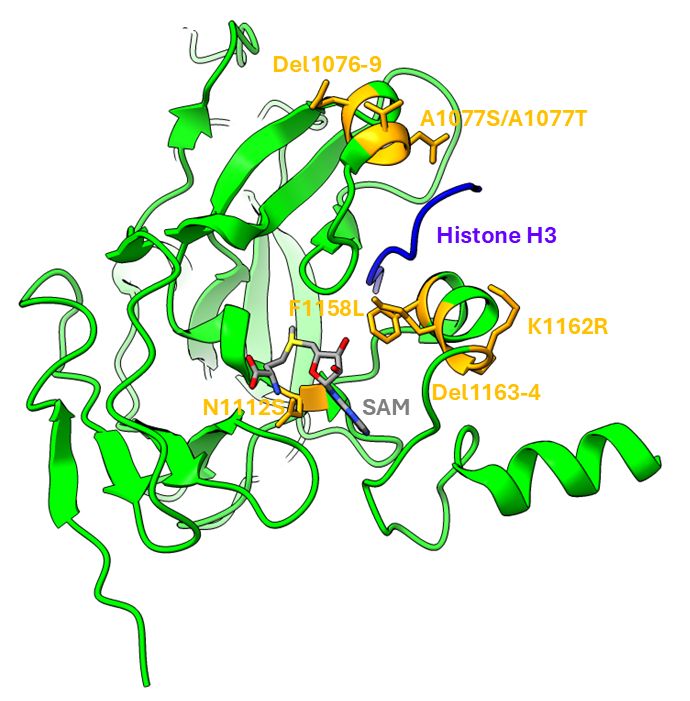
A group of researchers from the Research Unit for Rare Diseases at the Department of Paediatrics and Inherited Metabolic Disorders and the Department of Neurology, First Faculty of Medicine, Charles University, working within one of the NEUR-IN programs, has succeeded—with significant contributions from additional Czech research institutions and infrastructures, as well as an extensive network of international collaborators—in identifying and characterizing a novel alternative molecular mechanism underlying Kleefstra syndrome. Their recent publication demonstates the pathogenic effects of variants in the EHMT2/G9a gene/protein, which is the binding partner of GLP.
Clarifying the effects of EHMT2 variants will not only enable effective molecular diagnostics of additional patients and clinical-genetic counseling in their families, as well as potentially facilitate development of targeted therapies, but also makes a major contribution to understanding the function of a protein complex crucial for DNA methylation and epigenetic regulation of gene expression.