NATIONAL INSTITUTE FOR NEUROLOGICAL RESEARCH

News

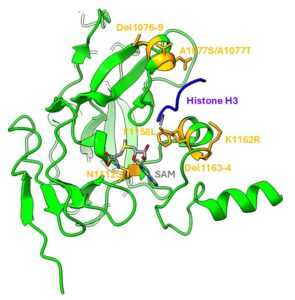
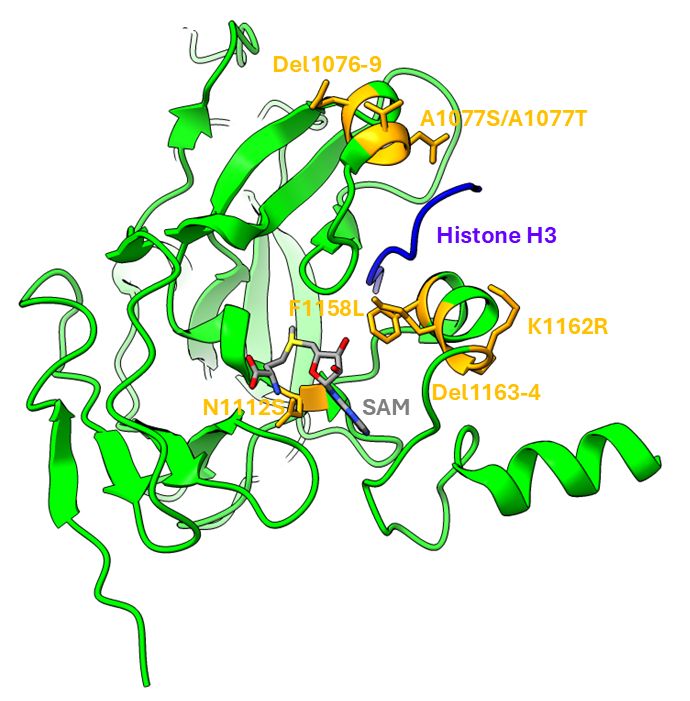
Discovery of a New Molecular Cause of a Neurodevelopmental Disorder from the Group of DNA Remodeling Defects.

DNA remodelling disorders are a rapidly expanding group of rare monogenic diseases. Common features of these conditions include de-novo heterozygous causative variants in key genes/proteins involved in DNA and histone modification pathways, as well as highly variable clinical phenotypes encompassing developmental and functional abnormalities affecting multiple organs, particularly the nervous and cranioskeletal systems.

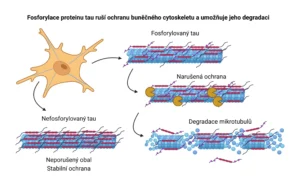
A new perspective on the early phase of Alzheimer’s disease: Changes in the protective tau protein disrupt cytoskeletal protection and enable its degradation

In the early stages of Alzheimer’s disease, changes occur in a key protein called tau, which normally forms a protective layer around the neuron’s internal skeleton. When modified, tau loses its protective function, leading to neuron death. The new perspective presented by a Czech-French research team uncovers the molecular consequences of tau modifications, opening new avenues for the diagnosis and treatment of early-stage Alzheimer’s disease and related disorders.
people worldwide experience a neurological disease in their lifetime
the cause of death is neurological diseases
the number of dementia cases doubles
neurological diseases cost the European health system annually
is potentially influential
lifestyle, diet, environment, etc.

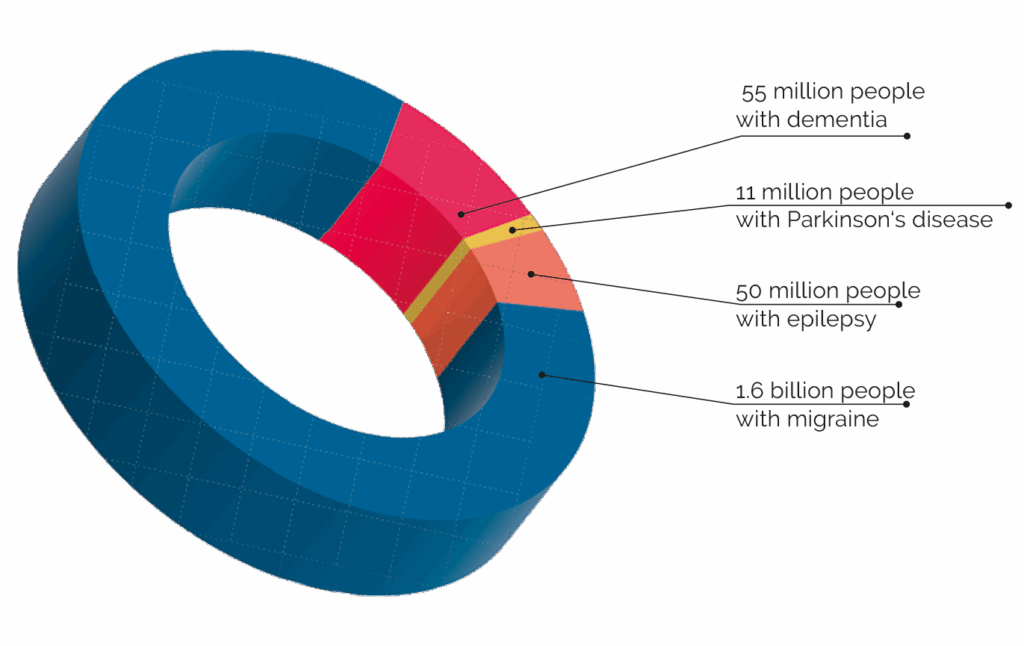
There is a worldwide increase in the incidence of neurodegenerative diseases. According to NEUR-IN experts, brain disease affect one in three people. By 2035, the number of people with dementia is going to double. The health and economic impact on society will be enormous. Research into neurological diseases can help change these numbers.

NEUR-IN’s mission is to push the frontiers of knowledge in the field of neurodegenerative and neurodevelopmental diseases. By bringing together top scientists from various disciplines to work together to find solutions that will reduce the impact of diseases on the lives of patients, their families and society as a whole. The aim is that scientific progress should lead not only to improved health but also to greater social and economic stability.

Source (graph): World Health Organization, 2025

NESPI

National Expert Group for Innovative Treatment of Neurological Diseases.

NESPI was established within the National Institute for Neurological Research (NEUR-IN). This group consists of leading Czech experts from various fields. From physicians and researchers to specialists in legislation, ethics and economics. Together they focus on modern approaches to the treatment of neurological diseases. Their work contributes not only to the availability and safety of innovative treatments in the Czech Republic, but also to their ethical and transparent implementation in practice.

The project was funded by the European Union – Next Generation EU under the National Recovery Plan
Currently supported by the Ministry of Health of the Czech Republic in cooperation with the Agency for Health Research of the Czech Republic.

Project number: LX22NPO5107 (NPO Exceles)/ NW26A-NEURIN (AZV Podprogram 4)
Governing Body: Ministry of Education, Youth and Sports of the Czech Republic, Ministry of Health of the Czech Republic
Beneficiary: St. Anne’s University Hospital in Brno